

A Broad Overview of Nikolaas Eekman’s Printed Work
Galerie Paul Prouté is pleased to announce the online release of its new catalogue devoted to the printed work of Nikolaas Mathijs Eekman.
Born in Brussels in 1889 to Dutch parents, Eekman discovered the work of Vincent van Gogh at an early age, dedicating a lecture entitled Van Gogh, the Unknown to him when he was only eighteen years old. This formative admiration would leave a lasting mark on his work. Forced to leave Belgium at the outbreak of the First World War, he took refuge in Nuenen, in the Dutch Brabant region, in the very studio once occupied by Van Gogh. There, he developed a body of work deeply rooted in rural and peasant life, whose landscapes and figures would nourish his entire artistic production.
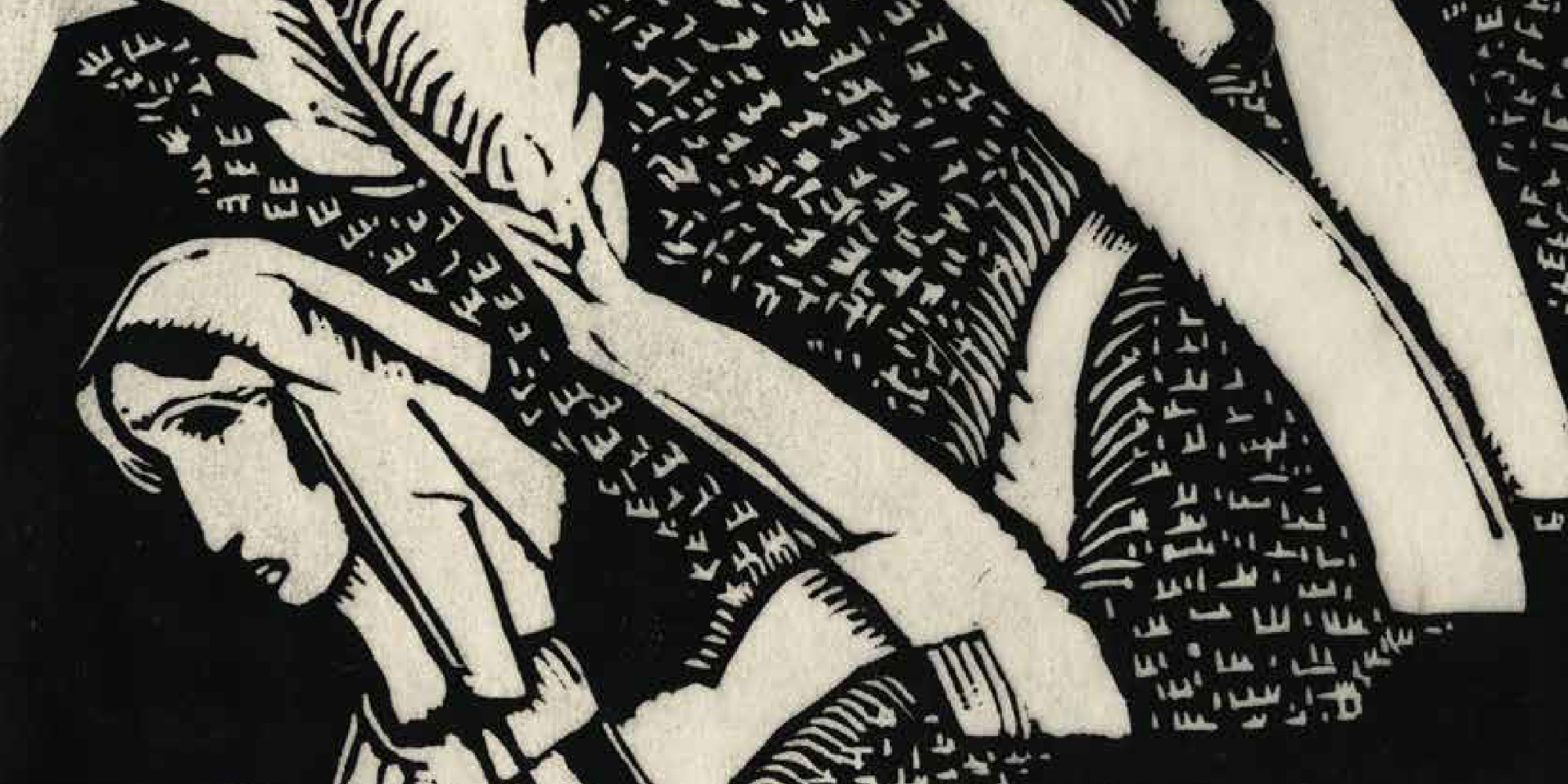
A draughtsman, painter and printmaker, Eekman quickly explored the expressive possibilities of printmaking. The etchings produced during his Dutch years reveal an austere yet monumental vision of the landscape, while his woodcuts, developed from 1919 onwards, display an expressionist sensibility akin to that of contemporary German artists.
Having settled permanently in Paris in 1921, he frequented the artistic circles of Montparnasse and notably exhibited alongside Piet Mondrian at the Galerie Jeanne Bucher. He also became acquainted with Marc Chagall, Max Jacob and Max Ernst. In contact with the vibrant atmosphere of Paris in the Roaring Twenties, his work evolved: concerts, dancers, popular festivities and urban scenes enriched a production that always remained focused on the human figure.
Throughout his career, Eekman developed a highly personal artistic language, independent from the avant-garde movements of his time, despite being their contemporary. Influenced both by Expressionism and by Flemish masters such as Pieter Bruegel the Elder and Hieronymus Bosch, he created a singular universe populated by fantastic figures, hybrid creatures and scenes imbued with poetry and strangeness.
This catalogue offers a broad overview of Nikolaas Eekman’s printed work, from the early expressionist works created in Nuenen to the drypoints of the 1960s. With the exception of an oil on panel painted in 1962, the drawings and prints gathered here come directly from the artist’s studio estate, preserved and promoted until 2025 by his daughter, Luce Eekman.