


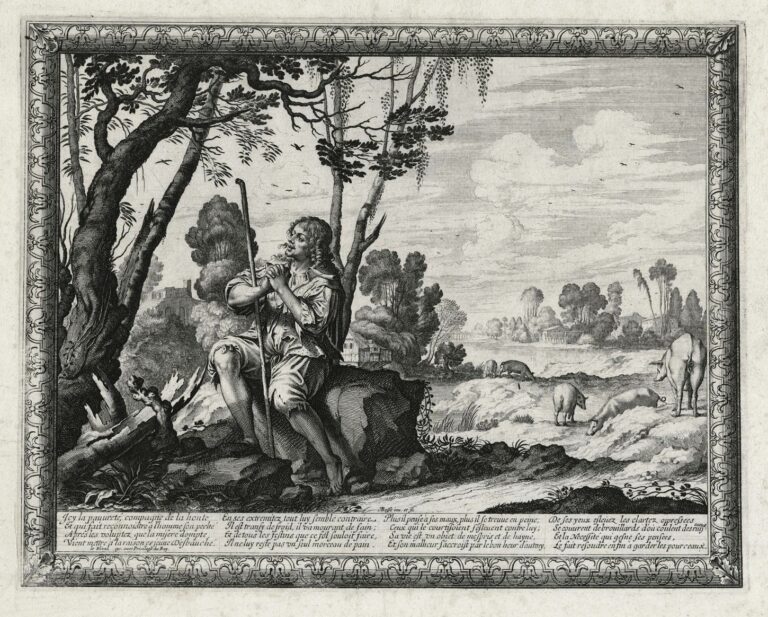
21360
XVIe-XVIIe siècles
Abraham BOSSE
Tours vers 1604 – Paris 1676
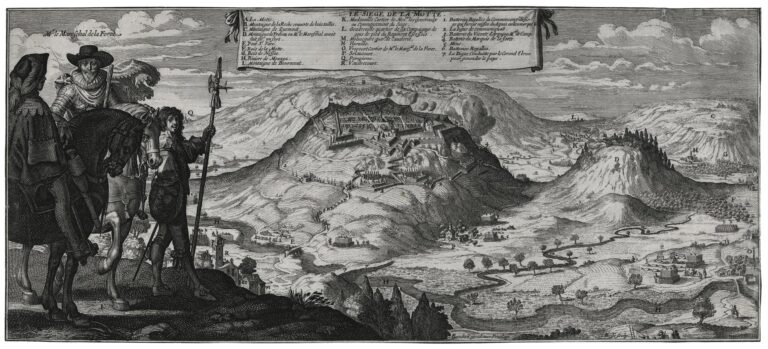
Abraham Bosse was born in Tours in 1604. The son of Louis, a Calvinist tailor originally from Cleves, Germany—a city near the Dutch border—he was raised in a Protestant household despite having a Catholic mother. He settled in Paris and joined the workshop of Melchior Tavernier, the king’s engraver and printer, in 1620. He engraved his first prints in 1622. In the late 1620s, he met Jacques Callot, with whom he would go on to collaborate. He provided Callot with two borders for his Siège de La Rochelle (1628) and Siège de la Citadelle Saint-Martin (1631). It was through the Nancy-based artist that he discovered the hard-varnish technique, which he would popularize in his Traité des manières de graver en taille douce sur l’airain par le moyen des eaux-fortes et des vernis durs et mols… in 1645. He joined the Royal Academy of Painting and Sculpture upon its founding in 1648 as a professor of perspective and engraving. There, Bosse disseminated the theories on perspective developed by the architect Gérard Desargues. However, several painters, including Charles Lebrun, opposed these theories, which led to his expulsion from the Academy in 1661.
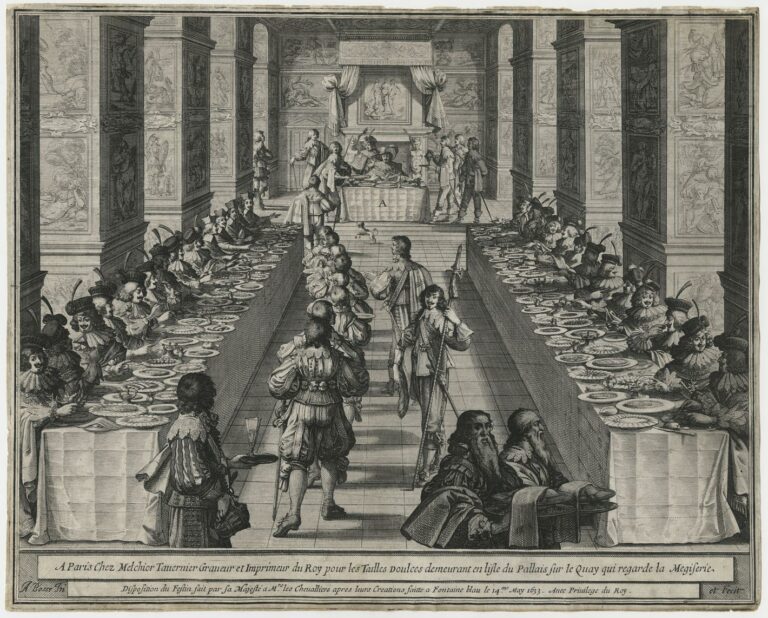
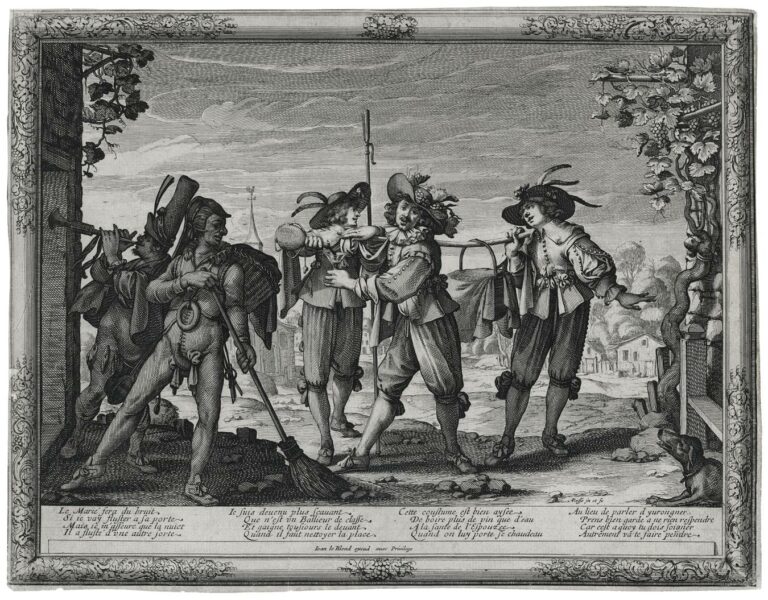
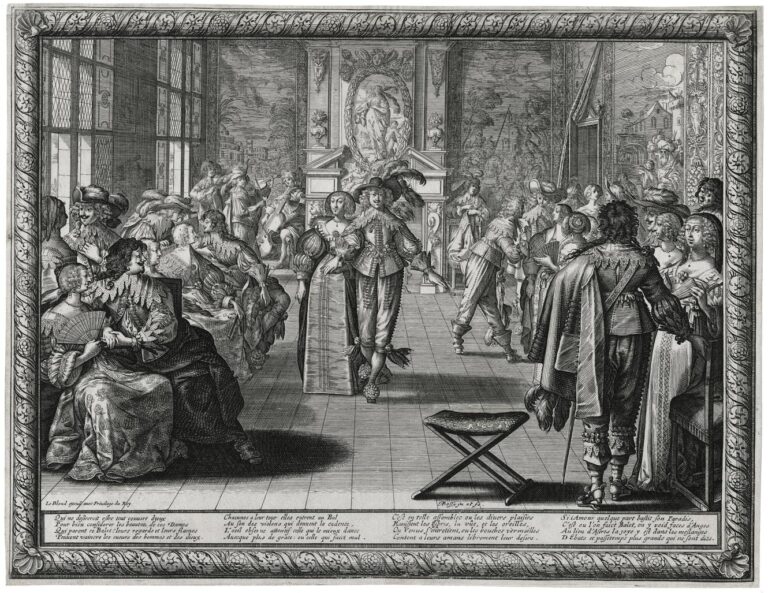
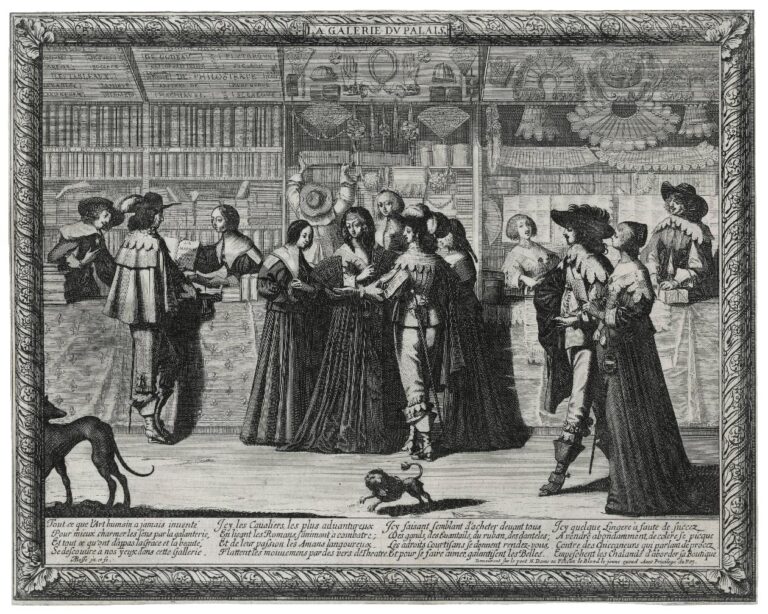
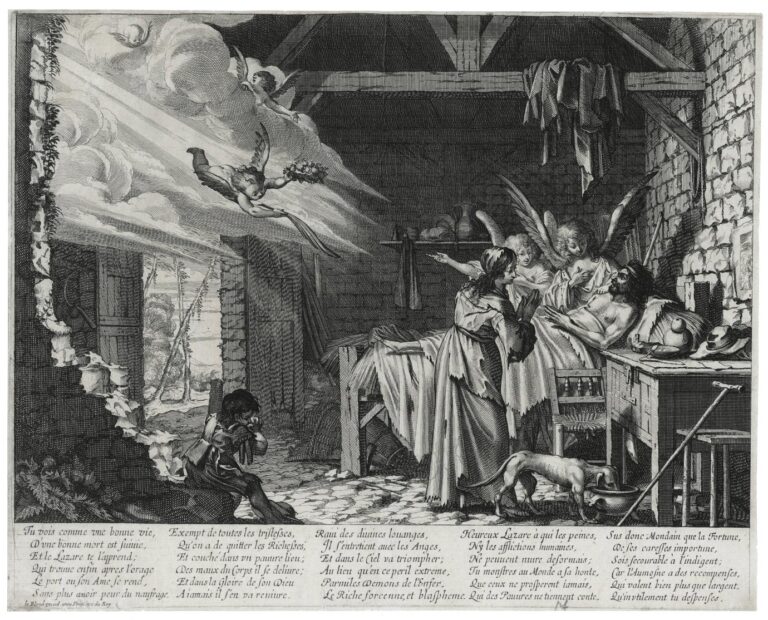
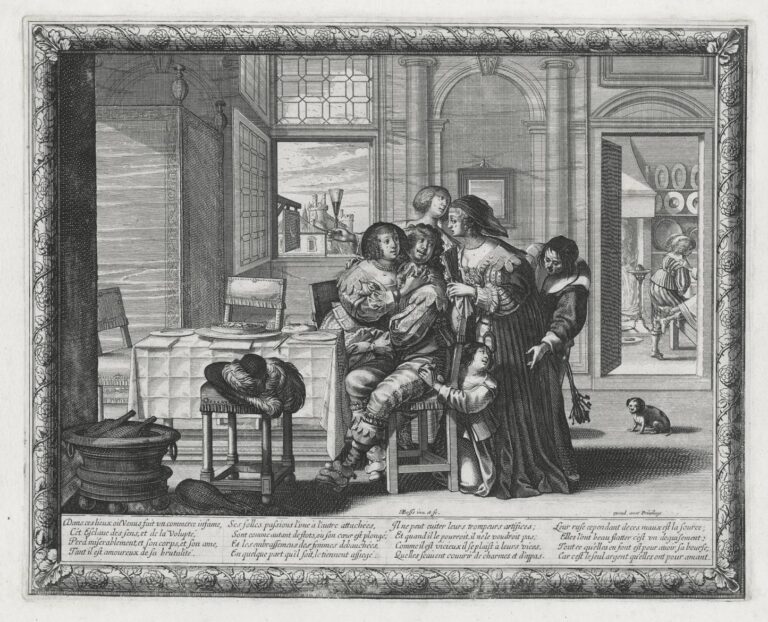
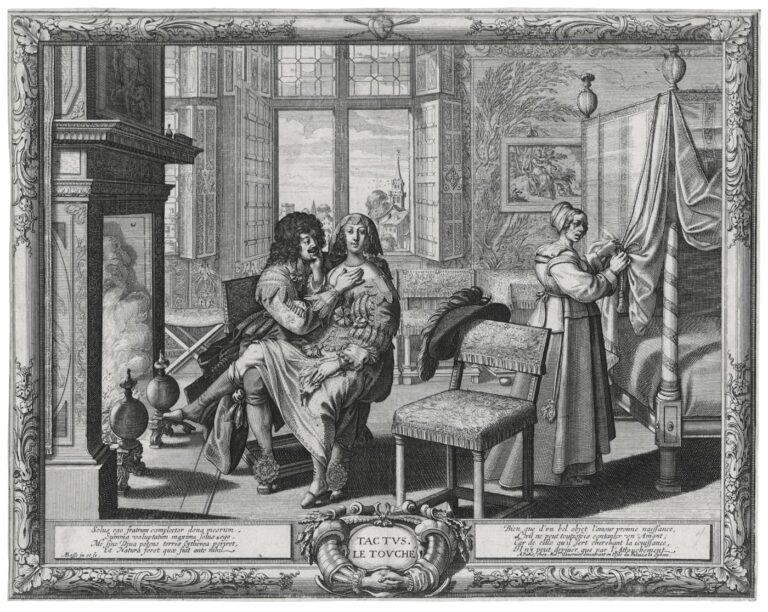
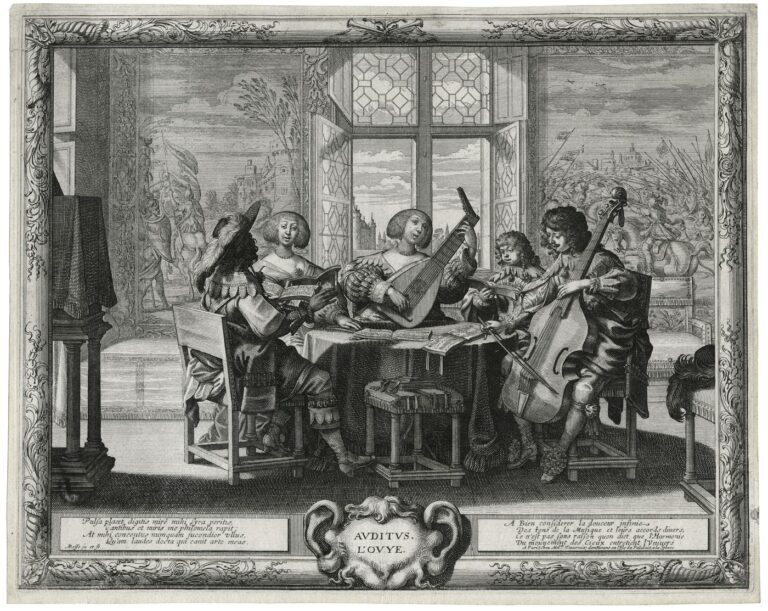
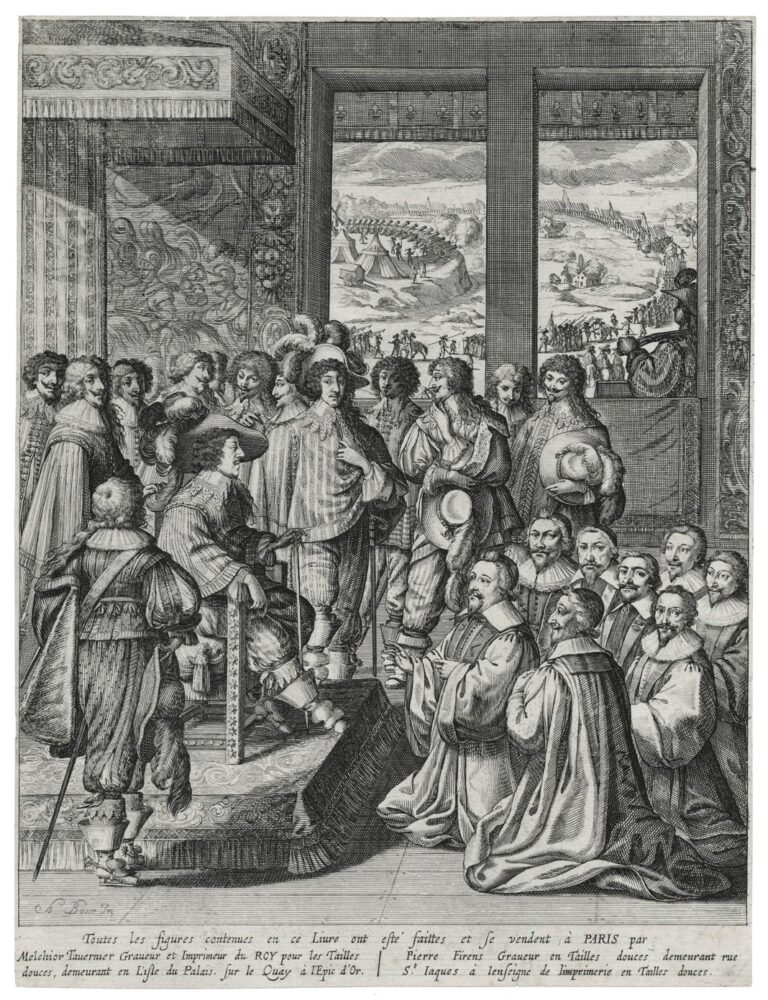
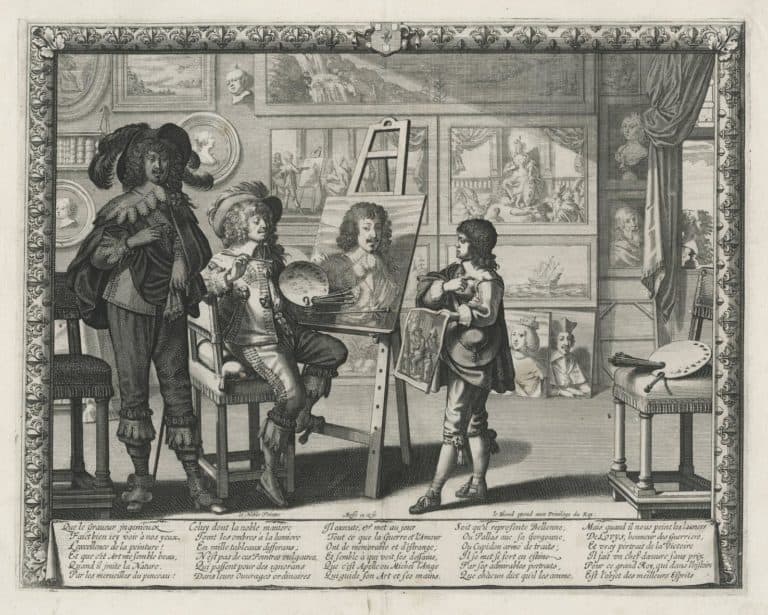
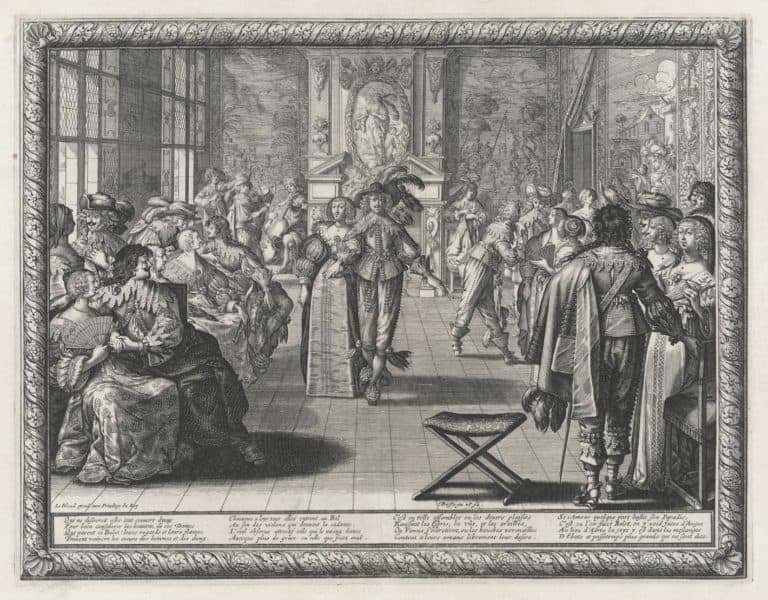
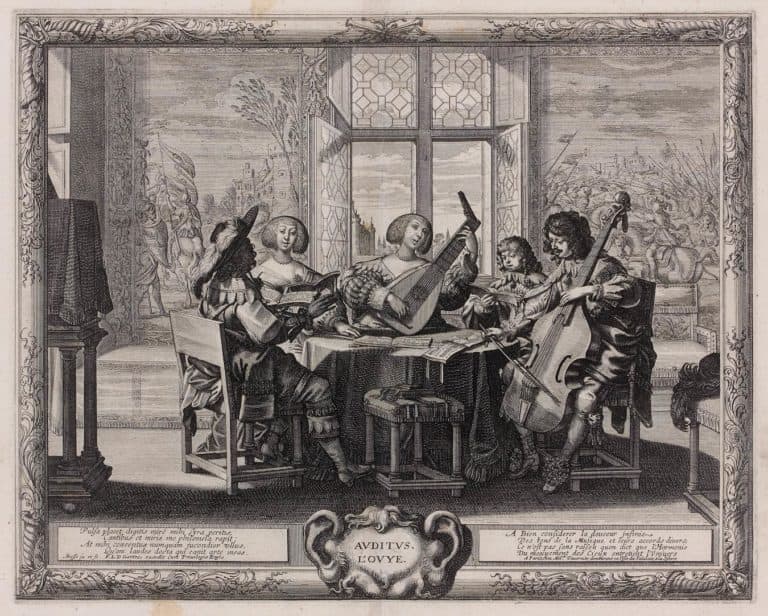
Bosse began engraving genre scenes in 1630; these works, which were widely circulated, brought the artist fame. A victim of their own success, these works were frequently copied, sometimes even in paintings. The engraver demonstrated a keen eye for detail, particularly in the costumes (Jardin de la Noblesse Française), and incorporated a very precise linear perspective. Bosse’s genre scenes offer a true portrait of Paris during the reign of Louis XIII.
Works by Abraham BOSSE
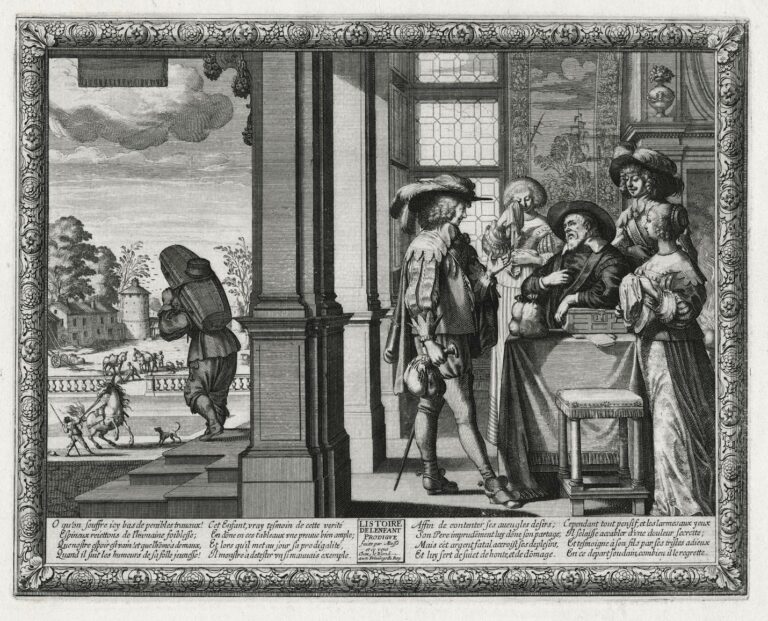
21357
XVIe-XVIIe siècles
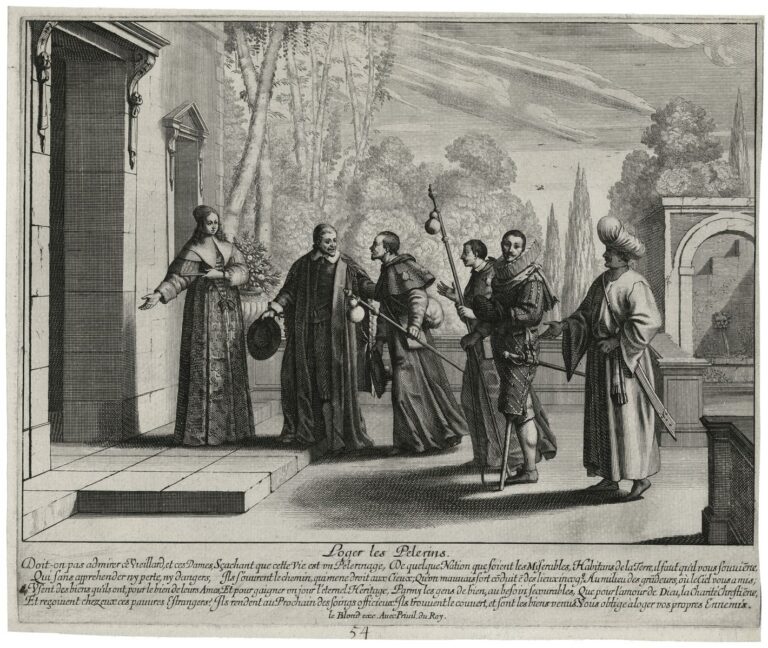
21354
XVIe-XVIIe siècles
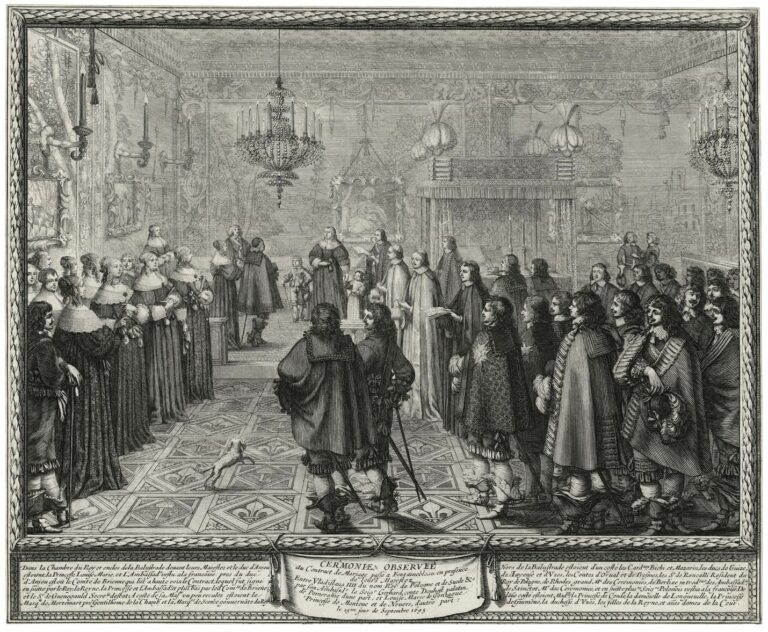
20517
XVIe-XVIIe siècles
20514
XVIe-XVIIe siècles
20510
XVIe-XVIIe siècles
19333
XVIe-XVIIe siècles
17646
XVIe-XVIIe siècles
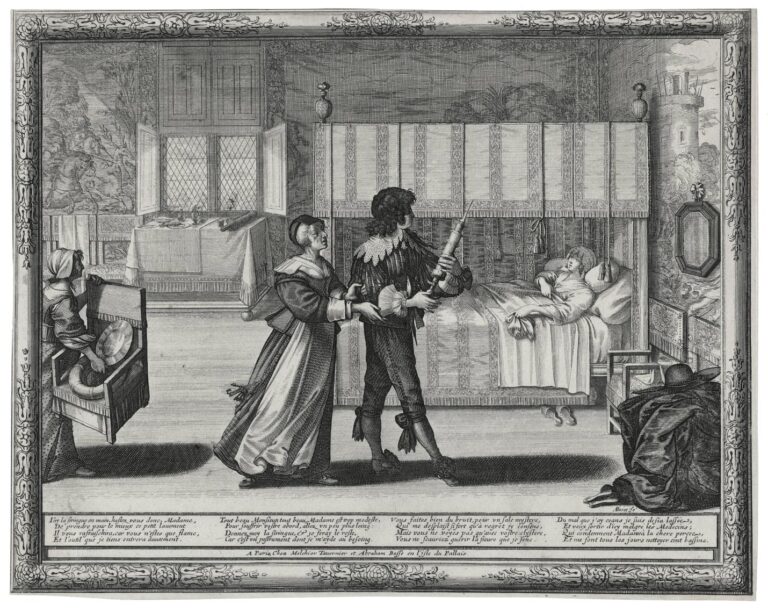
16906
XVIe-XVIIe siècles
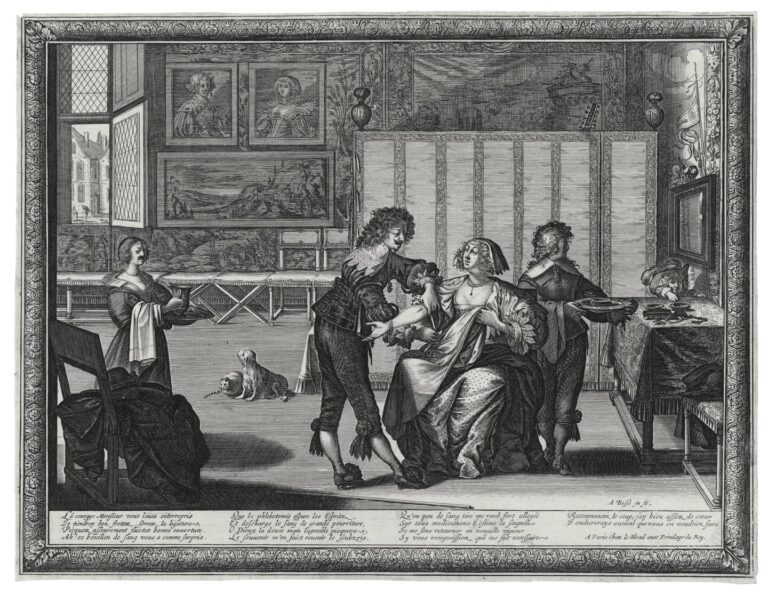
16900
XVIe-XVIIe siècles
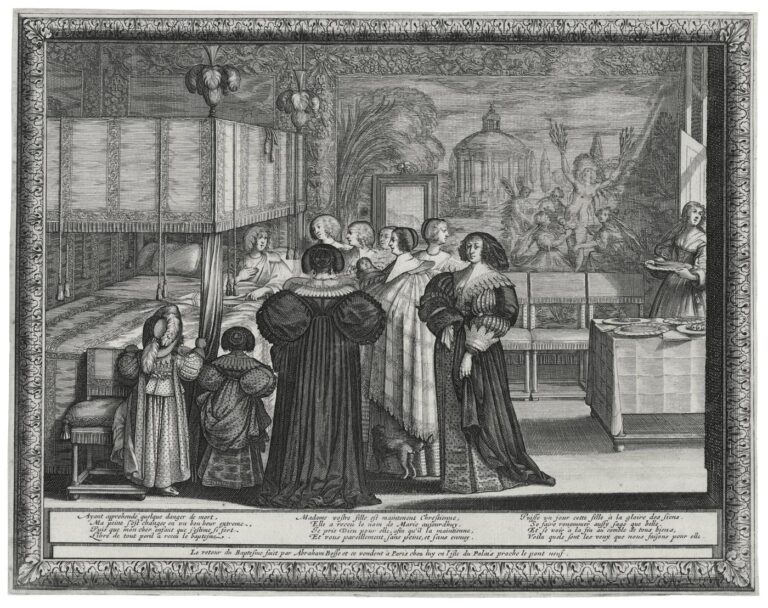
16897
XVIe-XVIIe siècles
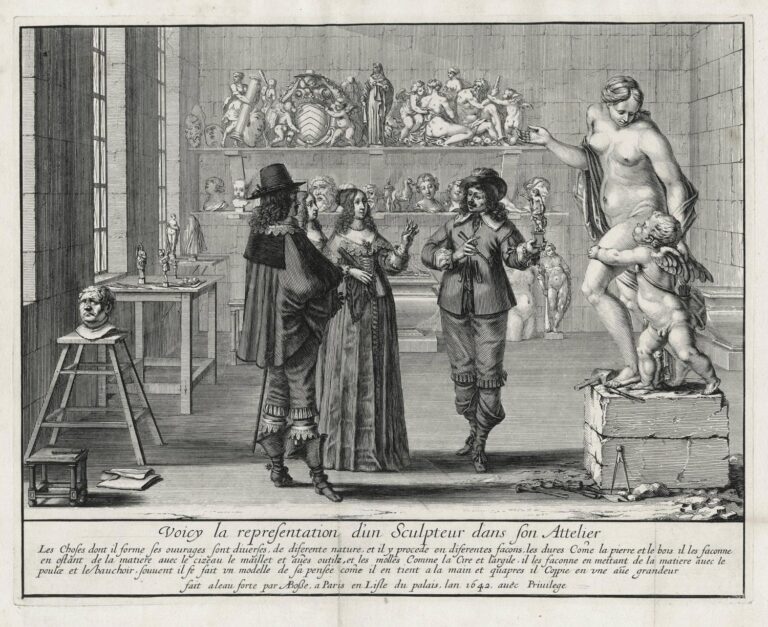
16893
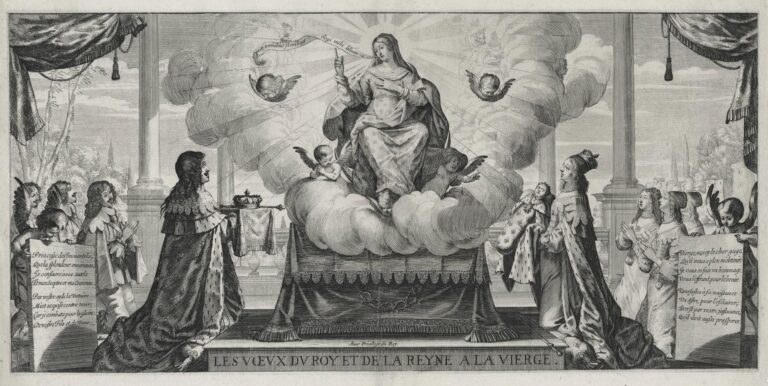
16884
XVIe-XVIIe siècles
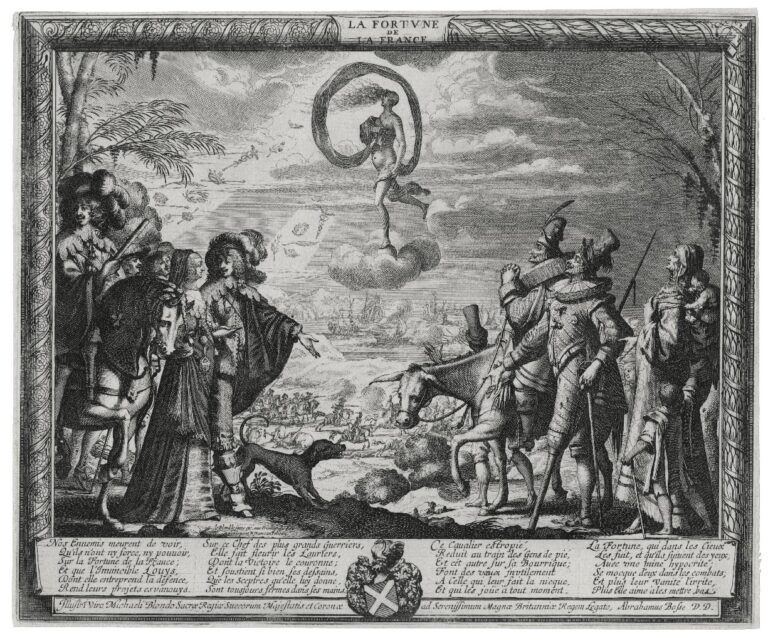
17631
XVIe-XVIIe siècles
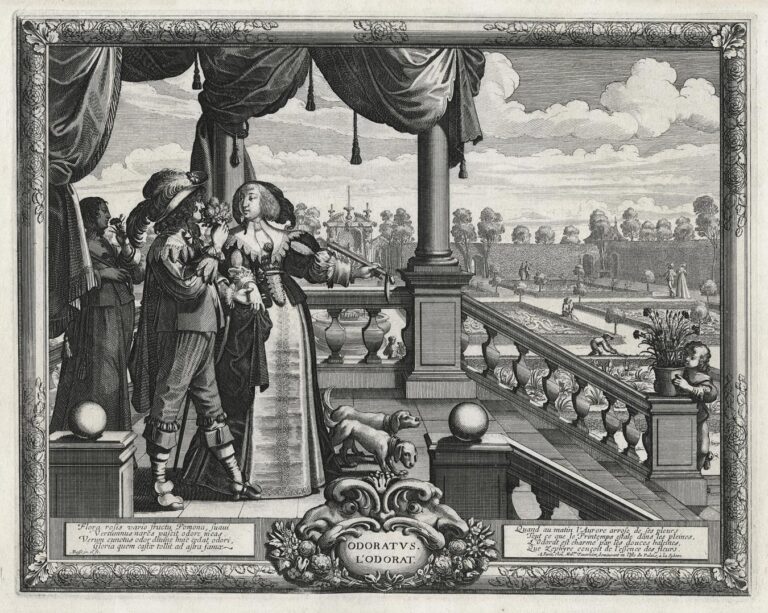
16878
XVIe-XVIIe siècles
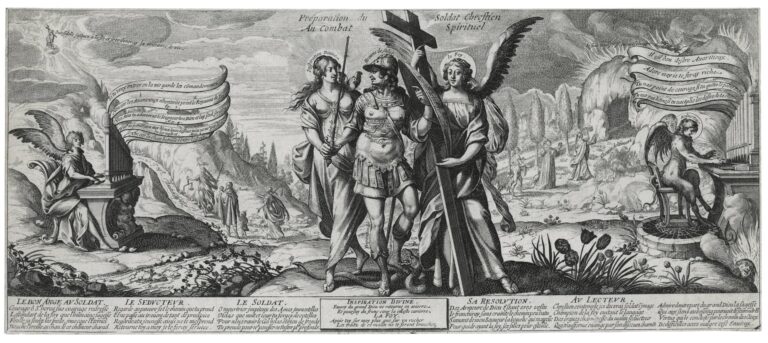
16872
XVIe-XVIIe siècles
16869
XVIe-XVIIe siècles
16866
XVIe-XVIIe siècles
16881
XVIe-XVIIe siècles
16887
XVIe-XVIIe siècles
21994
XVIe-XVIIe siècles
19330
XVIe-XVIIe siècles
16875
XVIe-XVIIe siècles
13263
XVIe-XVIIe siècles
9862
XVIe-XVIIe siècles
9231
XVIe-XVIIe siècles